
Rotwiêf
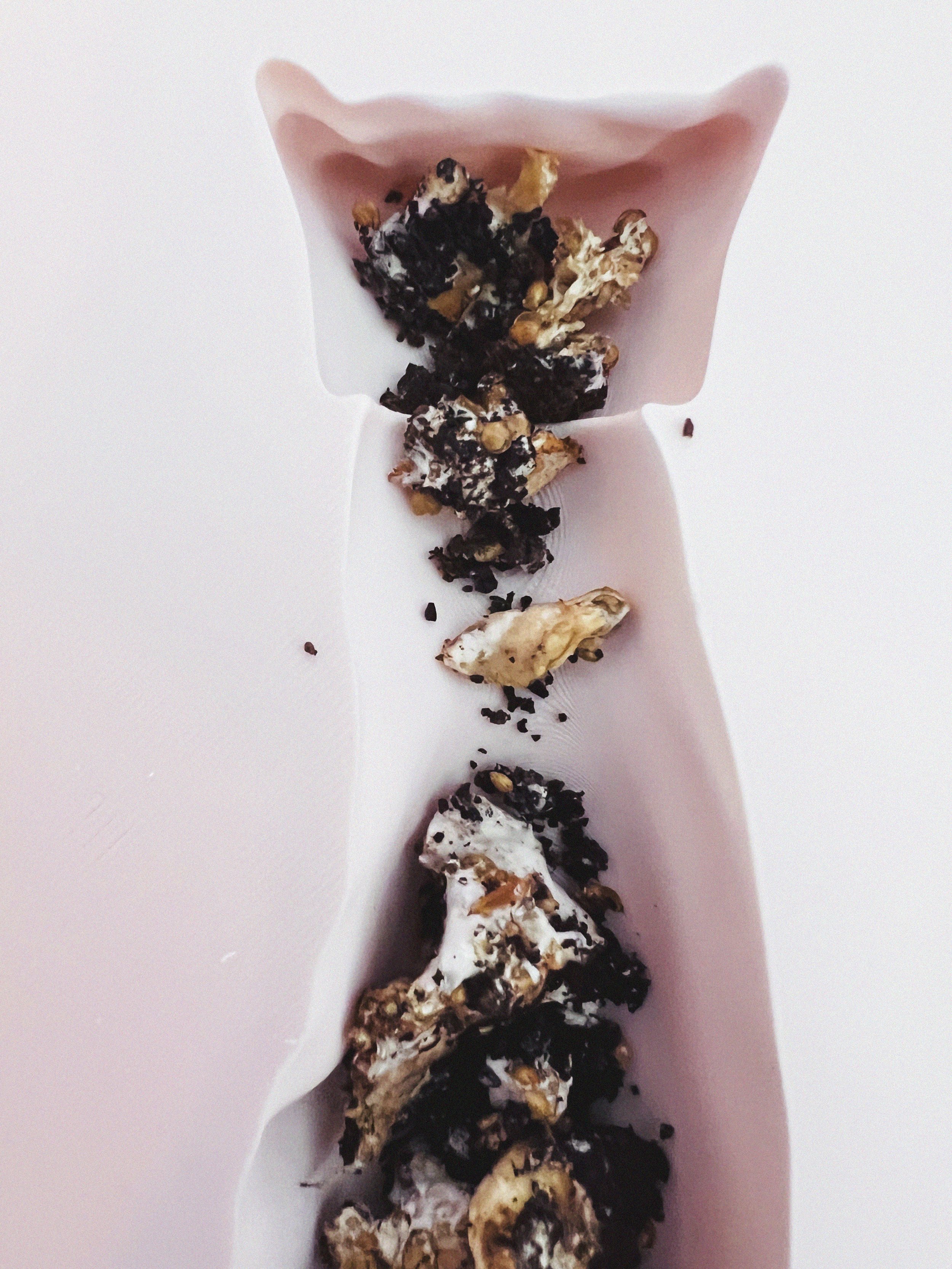
Rotwiêf: EXPERIMENT IN MYCOCULTIVATION and story eating
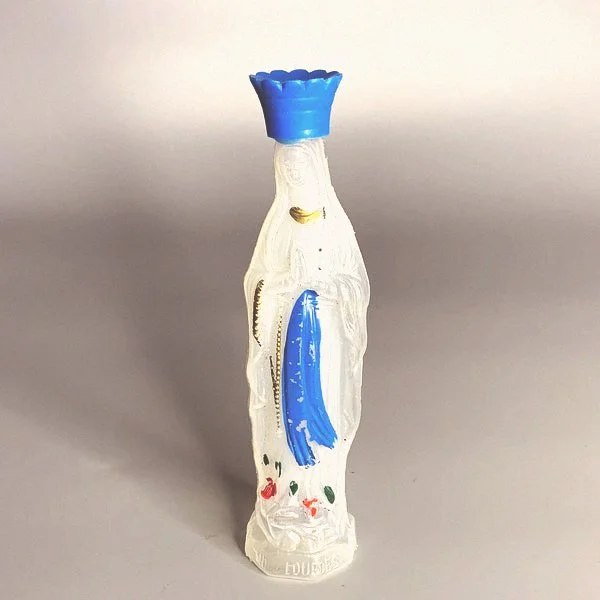
Rotwiêf collects and consumes old superstitions, forgotten rites, buried family tales, fairy tales and local lore of the Sand Meuse region to remold/remould them into tangible landscape objects. How do we mourn lost stories? Is composting a form of grief work? Rotwiêf emerges in the Maas region in Limburg, a region historically marked by poverty, illiteracy, and the erasure of oral traditions. Here, the veneration of the Holy Mary, historically dismissed as ketters superstition by the protestant church, persisted as a subterranean current: a feminine spirituality tied to healing, fertility, and the cycles of decay and renewal.
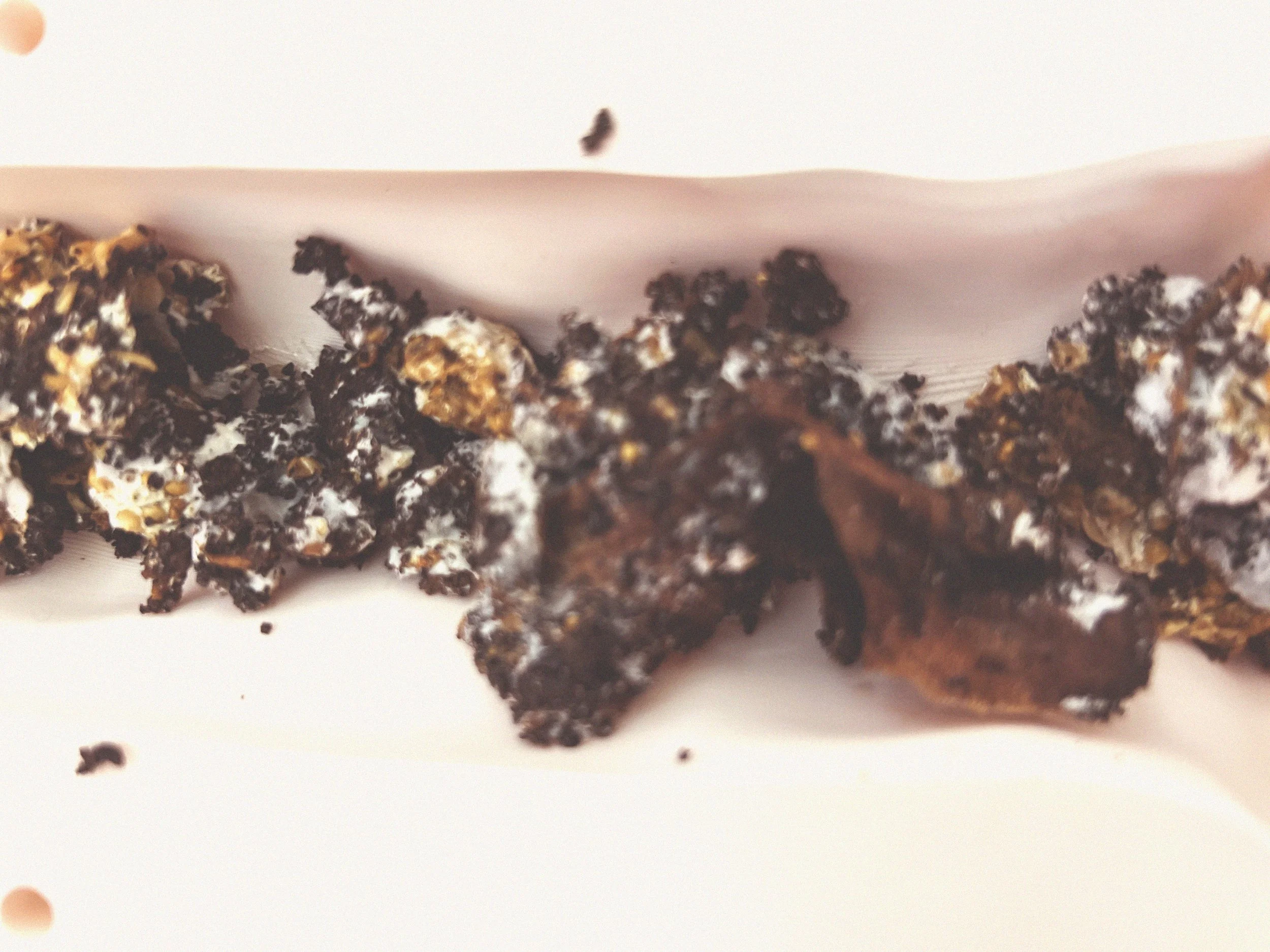
storytelling as a material, digestive process
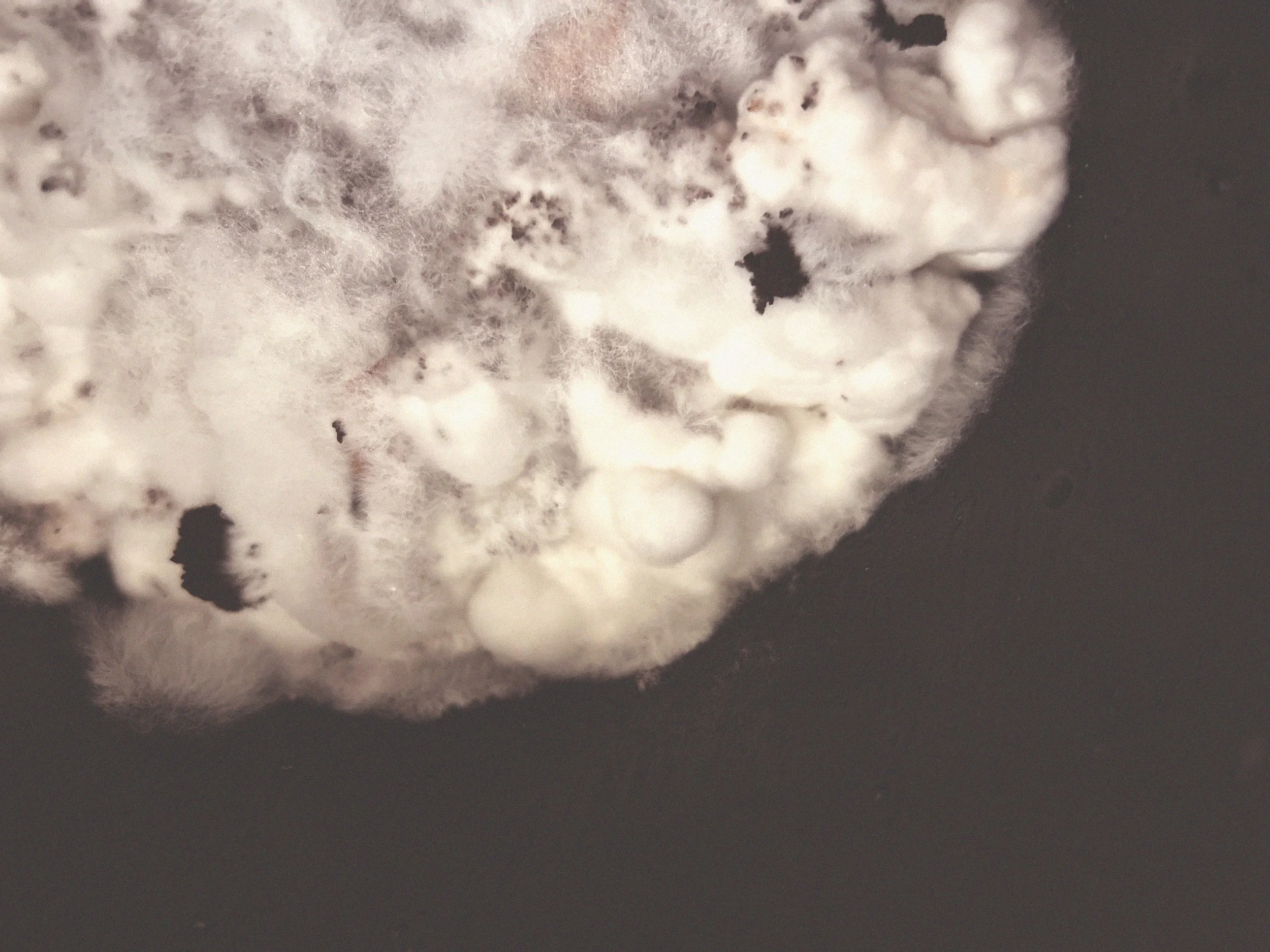
a compost mother
Rotwiêf will rise from the landscape not as an angelic creature, but a ‘rotwiêf’, a rotten woman in the literal sense of the word: like the fruiting body of a mushroom, Pleurotus ostreatus, a compost-mother, a vessel for stories that have been buried, by Christianity, polite culture, by patriarchy, by industrialization, by the myth of progress.
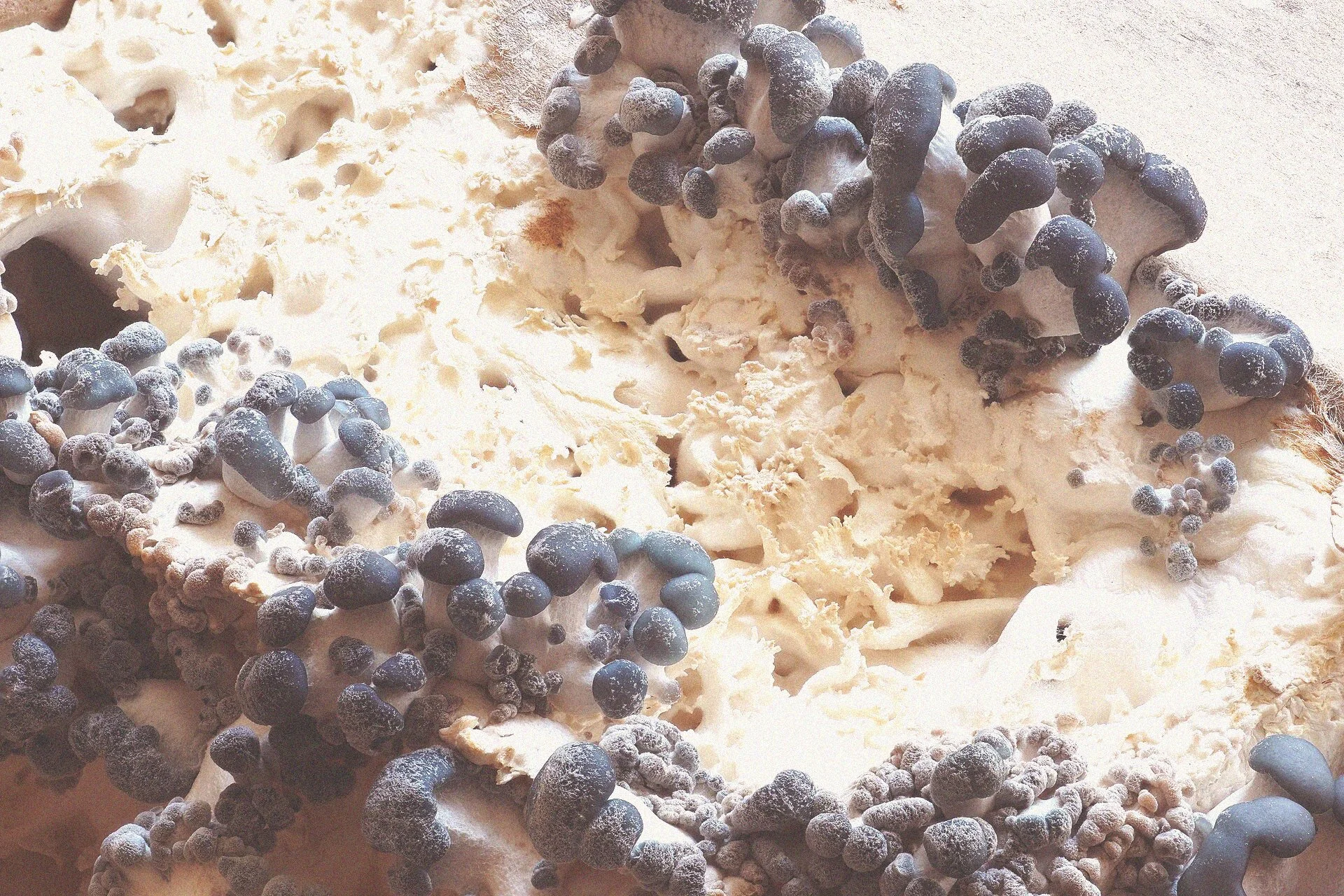
Flourishing on ruins
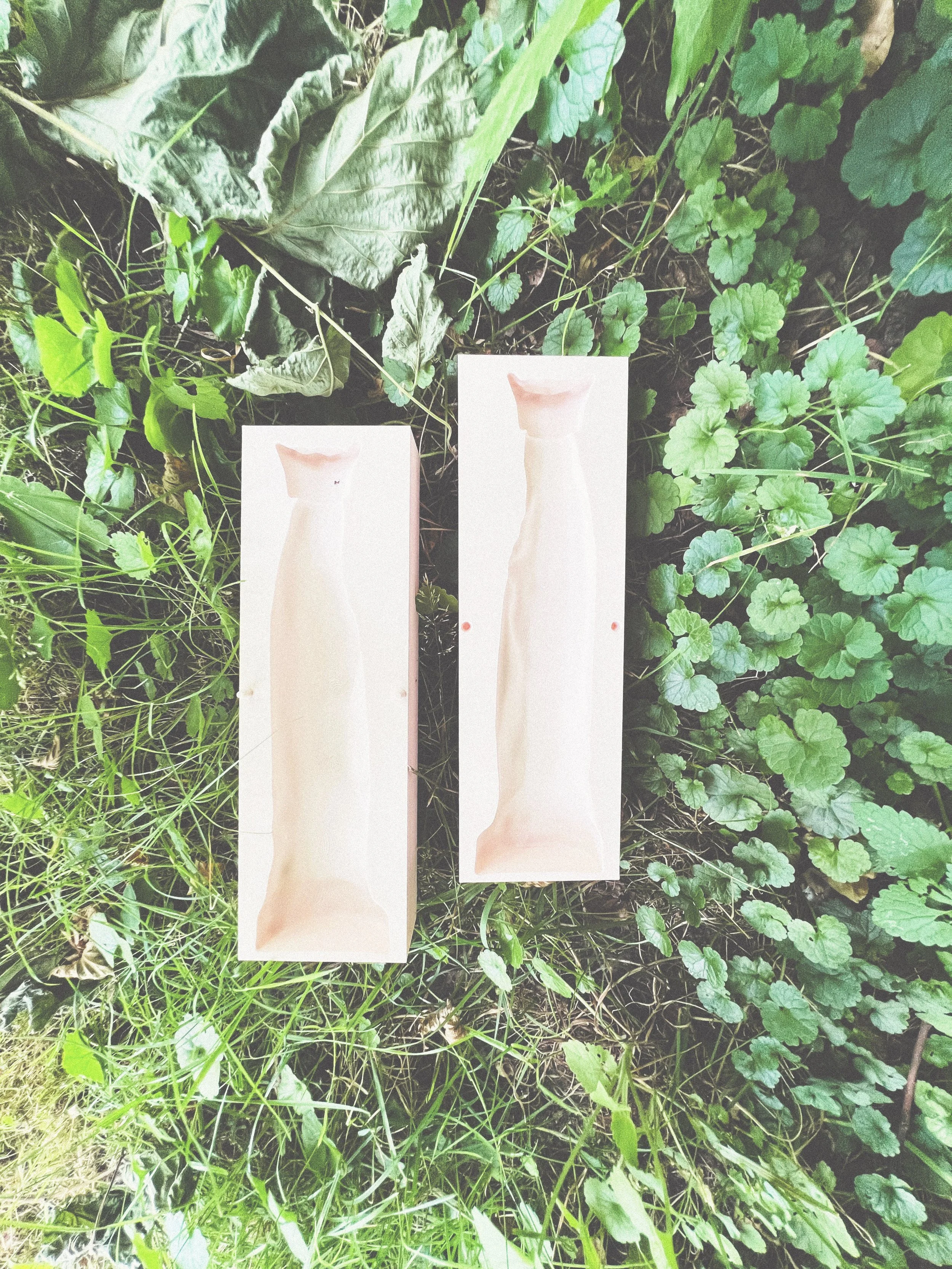
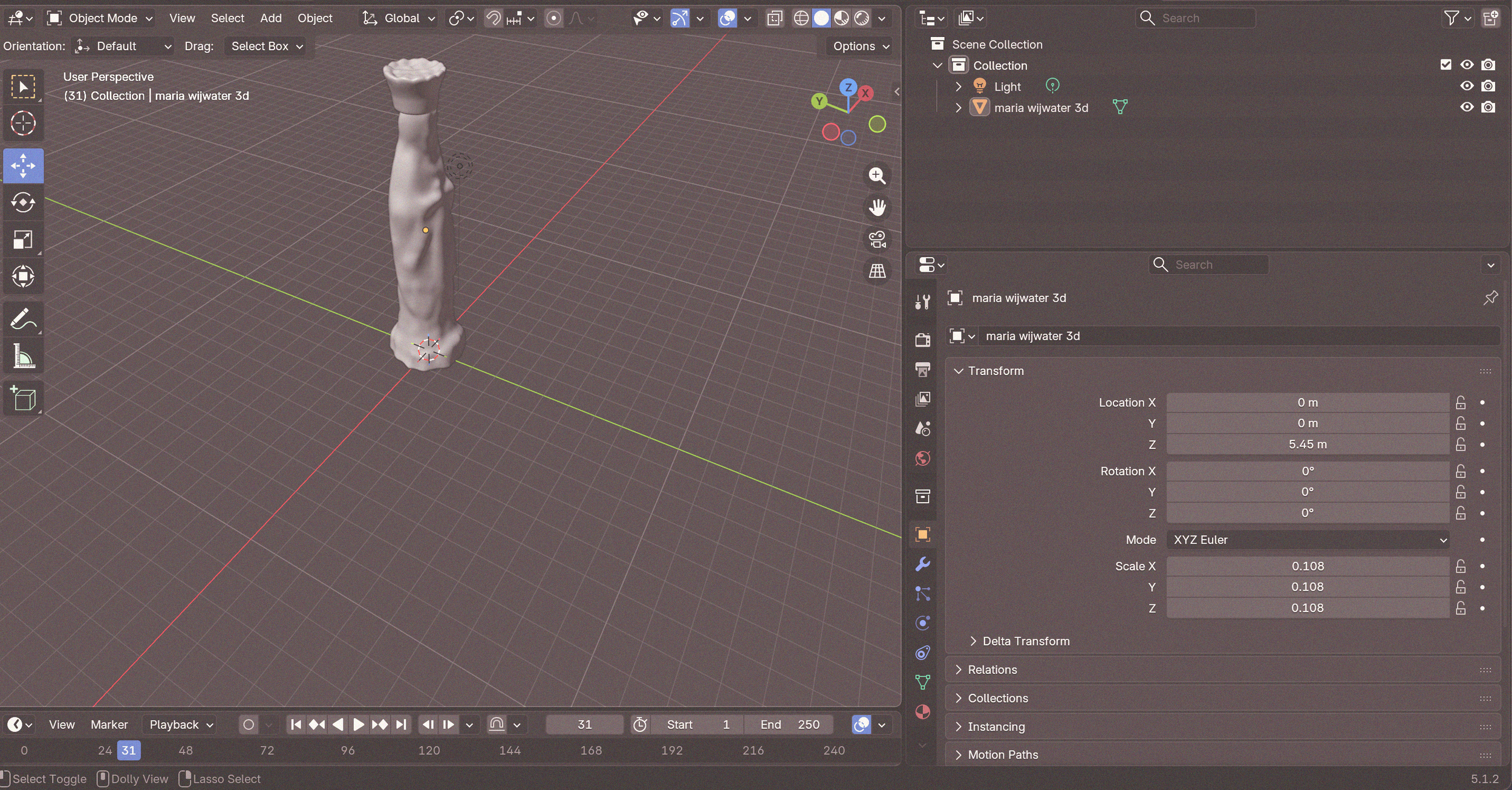
The project engages with feminist critiques of western epistemology, particularly the work of Donna Haraway (‘making kin’), Anna Tsing (‘flourishing on ruins’), and Arturo Escobar (‘designing for the pluriverse’) to reframe storytelling as a material, digestive process. The use of PLA-printed moulds for growing the fungal Rotwiêf statues on compostable stories merges ecology with technology. Rotwiêf asks: how do we listen to what the land remembers?