

designing with nature
Only when rewiring humans and technology back into the ecosystem they are part of, are we able to design societies, products and processes that are regenerative and enable long-term flourishing on planet Earth.
a growing forest of methods and practices
We create futures stories and futures ecologies that are inspired by bio-, techno- and mythology. Our methods draw from the fields of ecosystems science, futures thinking, anthropology, AI, neuroscience, and speculative design.
We prototype futures, products and practices entangling humans, nature and technology. We have to go above and beyond current systems and imaginaries to envision, design and build for a regenerative future. wondermash experiments with existing practices and methodologies while developing and testing new approaches to reposition humans as part of the ecosystem and devise a more-than-human society within planetary bounds.
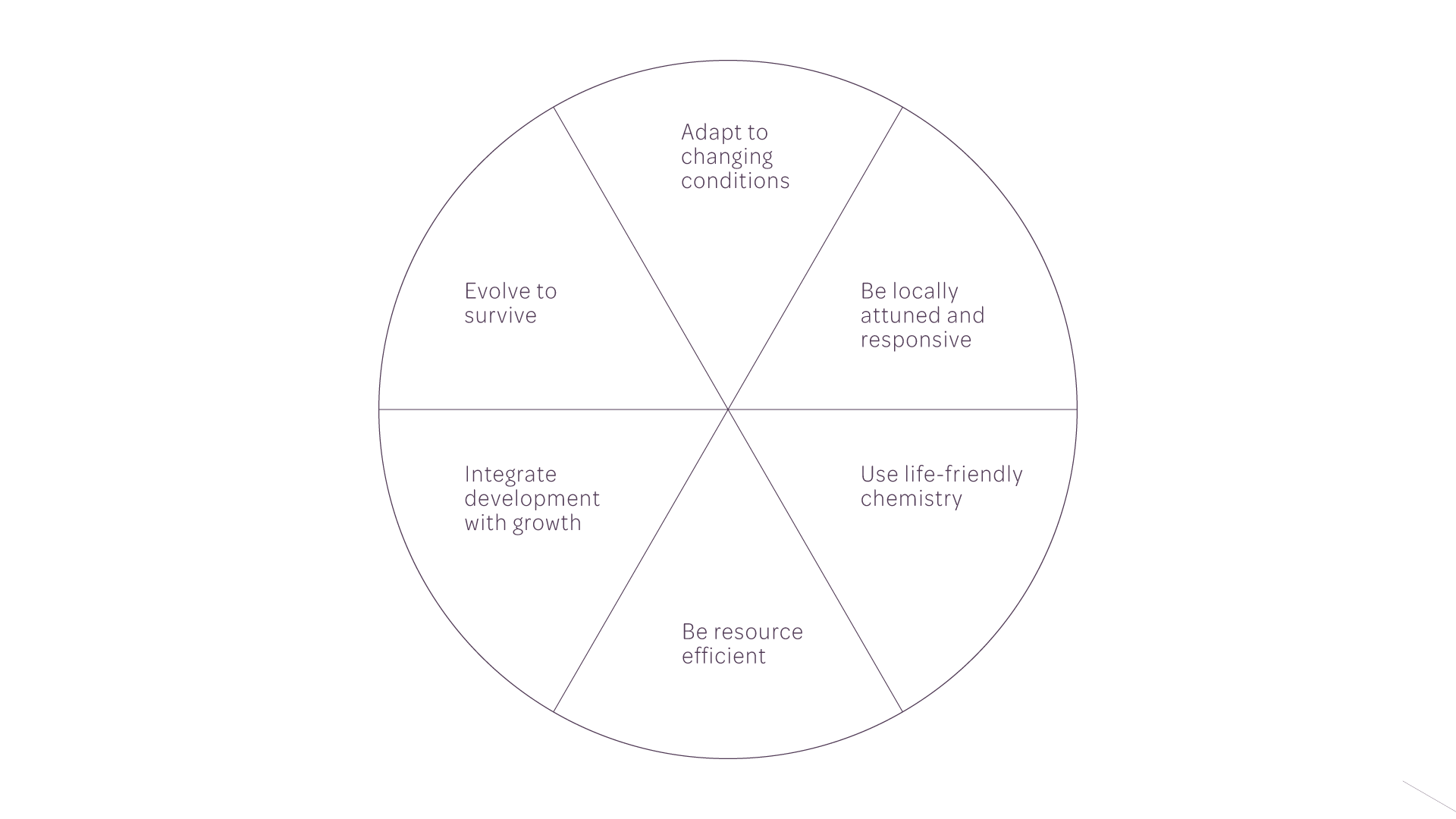
biomimicry
Biomimicry is a design strategy that emulates the innovation potential of 3,8 billion years of evolution.
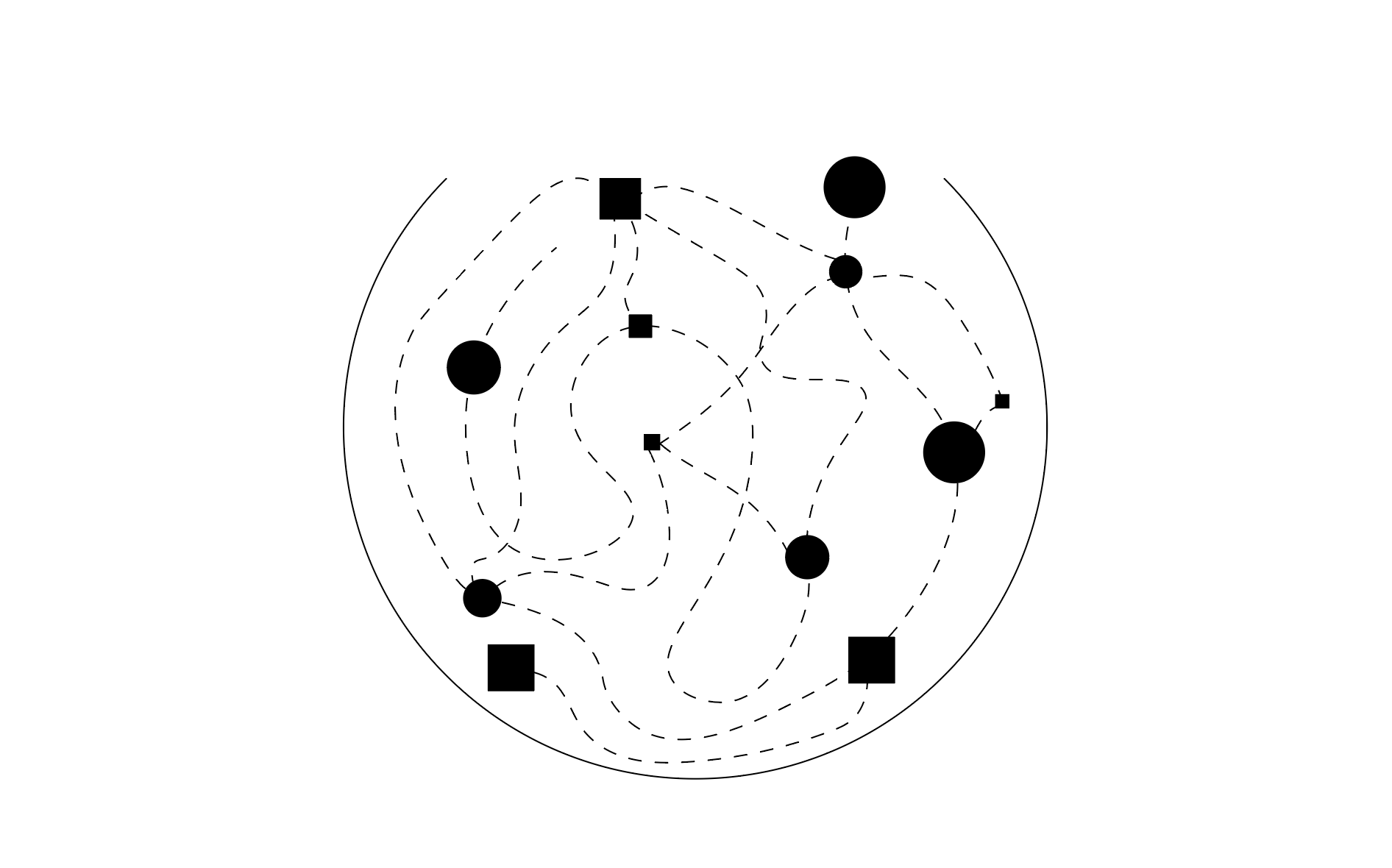
Ecological storytelling
Most modern stories are hero stories, and their stories revolve around struggle, adversaries and one individual overcoming hardship. But throughout human history, there was a diversity of many other types of narratives, such as stories of collaboration, entanglement, relationships and ongoingness.
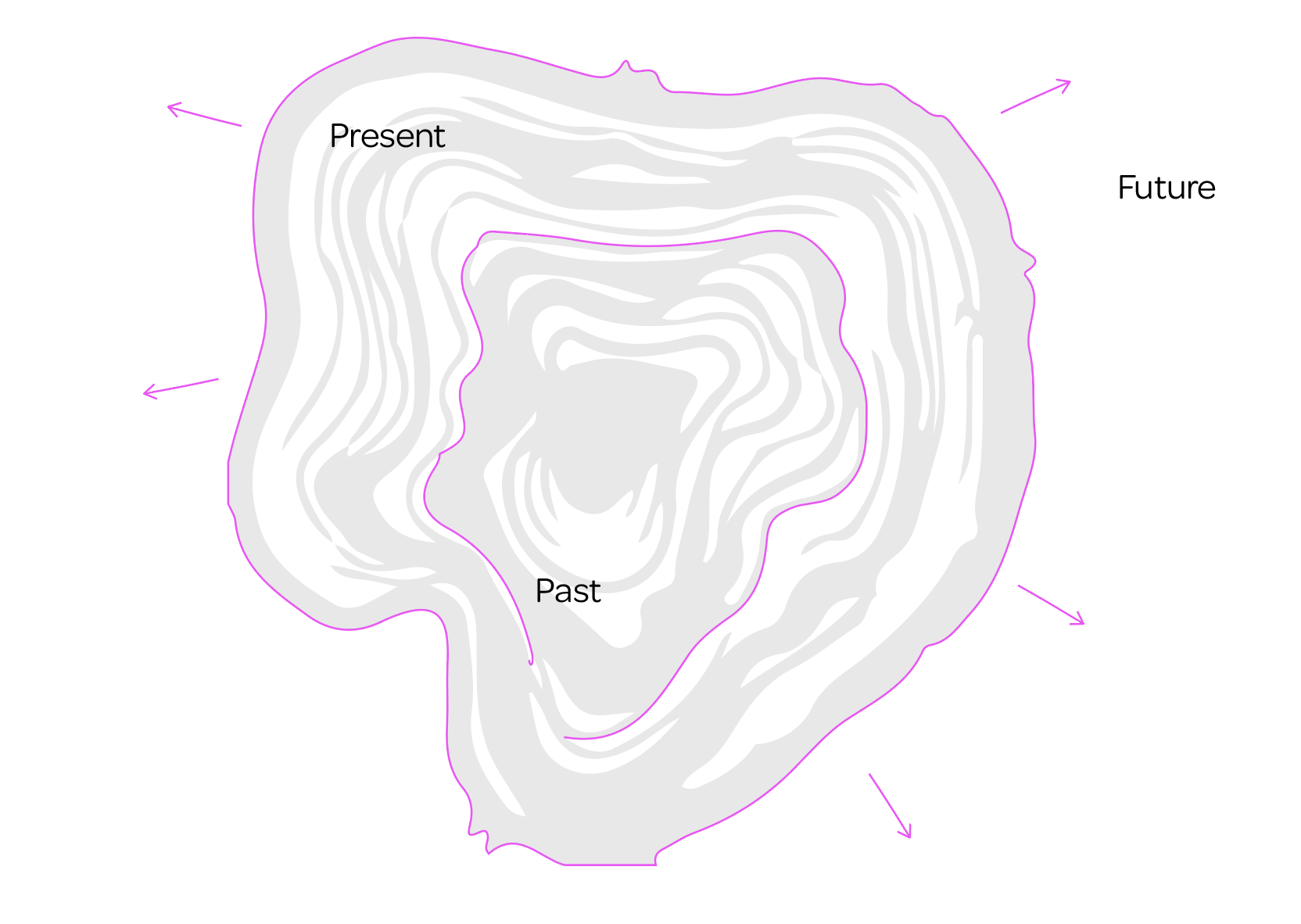
Growth Rings
Growth Rings invites the participant to explore their own past, present and future as a layered and interconnected experience, where time is not linear, but radial and the future an open space.

Narratives of Change
The cycle of narrative change shows four modes of systemic change (paradigm change) and offers a framework to explore opportunities for dealing with change.

Panarchy
Panarchy provides a framework for the adaptive, alternating cycles (eco)systems go through. It iterates between growth (r), conservation (K), collapse/release (Ω) and reorganization (α) at multiple levels. It is based on the natural cycles of life that alternate between growth and death.

Future Cone
The Future Cone is a tool to explore possible futures. The neat thing is that you can diverge first, include even ‘preposterous’ futures before narrowing down to more probable and desireable futures.

Science fiction prototyping
A science fiction prototype is a short story, movie, or comic with one or more main characters, based specifically on (scientific) facts for the purpose of exploring the implications, effects and ramifications of science or technology

Three Horizons
The Three Horizons model was developed by Sharpe et al. (2016) in response to the need for methods and practices that can help facilitate transformative change.

Futures Wheel
Futures Wheel is a method of working out graphical visualization of direct and indirect future consequences of a particular change or development, developed by scientist Jerome C. Glenn in the 1970s.